How Can I Get Found Online without Wasting Money?
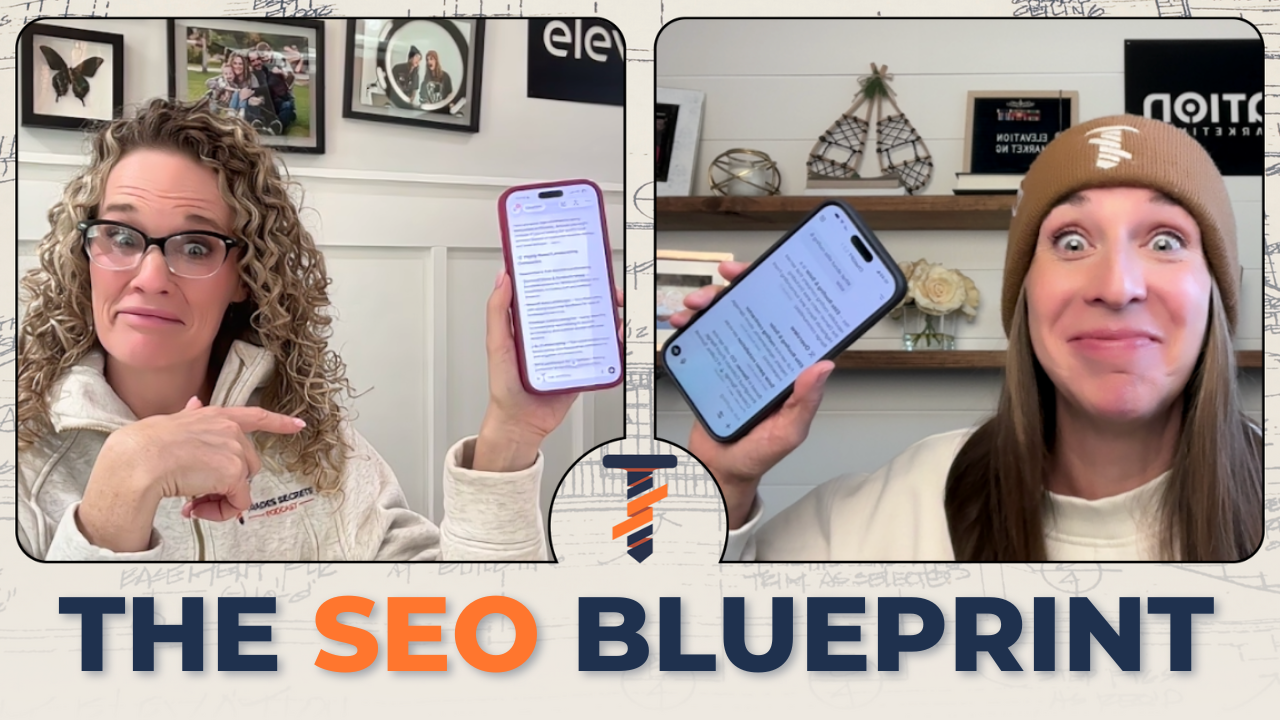
If you have ever wondered how to get found online for contractors without blowing your budget, this episode of Trade Secrets, brought to you by Elevation Marketing™, breaks it down in a way that actually makes sense. Hosts Amanda Joyce and Devon Hayes take a practical approach. They unpack what visibility really means today, why many contractors overspend on SEO, and what actually drives leads.
🎧 Care to listen instead? This post is Episode 69: Where Do I Start with Online Visibility?
How To Get Found Online For Contractors Without Chasing Every SEO Trend
Devon opens the episode by pointing out that contractors are being sold “solutions” before anyone asks where their customers actually start.
The core message from Elevation Marketing™ is simple: all of your visibility channels converge, and you don’t want to buy hype. You want to understand what you actually need for your business model.
Start With Buyer Journey, Not a “One-Size” SEO Package
One of the strongest points in this episode is the reminder that “all businesses need to be found online.” The question is where your buyers look first, and what kind of buying cycle you’re in.
Amanda sums it up: A general contractor might be fine with fewer reviews if they’re strong and you respond well, while an HVAC company might be judged differently because customers expect volume.
The Red Flag: Selling a Package Without an Assessment
If an agency hears “I want to show up on Google and AI” and immediately responds with a pre-priced SEO package without investigating your business, Devon says to run.
Why? Because you can’t “deliver” your way out of a trust deficit.
Devon lists examples of what a real partner should check before you spend:
- Do search engines trust your brand?
- Are your brand signals consistent across the web?
- Do you already show up for your brand name, or is it messy?
- Do you have foundational trust signals in place (profiles, citations, reviews, consistency)?
Amanda adds the practical version: if an agency wants to “start posting on your GBP” while your citations are inconsistent and your listings don’t match, you might as well light your money on fire.
The Foundation Layer: E-E-A-T, Brand Consistency, and Trust Signals
Google and AI tools are trying to decide if you’re real, consistent, and credible. Devon frames Google’s evaluation in terms of E-E-A-T (experience, expertise, authoritativeness, trustworthiness).
Here are the foundational checks Devon and Amanda point to:
Google Your Brand Name and Look for Clutter
- Are old domains still ranking?
- Is an old website showing up right next to the current one?
- Do you see outdated logos or legacy info that confuses customers?
Confirm Your NAP Is Identical Everywhere
NAP is your name, address, and phone number. If your address format, suite number, phone, or business name varies across listings or your Google Business Profile, that inconsistency chips away at trust, both for humans and search engines.
Claim Your Profiles
Devon mentions claiming every platform “under the hot red sun.” Even if you never post on a channel, it’s still a brand entity you should control.
Build Trust Signals Outside Your Website
Devon specifically mentions the Better Business Bureau as an example of a trust signal contractors can leverage, including sharing those proofs on your GBP posts.

“Checklist SEO” vs. A Real Marketing Partner
Devon’s biggest frustration is what she calls “checklist marketing.”
Checklist reporting focuses on:
- Keyword counts
- Graphs
- Impressions
- Deliverables completed
Partner-level reporting focuses on:
- What happens after the click
- Where leads come from
- Which services convert
- How the strategy should pivot next quarter
Your marketing, Devon explains, should answer the question you really care about: Is this driving real business?
What Should You Ask Your Current Agency?
Amanda asks Devon for “smart questions” contractors can use to audit whether they’re being served well.
Devon’s answer boils down to: ask about the buyer journey on your site.
Use these questions:
- What do visitors do after they land on my site?
- Which pages are entry points, and which pages convert?
- Which services are getting conversion signals, and which aren’t?
- Of the keywords we rank for, how many are truly transactional vs. informational?
- What are we changing based on the data next quarter?
If your agency can’t answer these in plain language, you’re not getting strategy, you’re getting activity.
The “AEO/GEO Package” Conversation (And Why Devon Calls It a Rebrand)
This section is one of the most valuable parts of the transcript because it addresses what contractors are hearing.
Amanda asks: If an agency sells you SEO, then tries to sell you an AEO add-on, what’s the take?
Devon’s answer: You cannot show up in AI answers without technically sound SEO. In her view, most of what’s marketed as AEO/GEO is “just really good SEO,” repackaged.
She mentions one newer tactic (LLMs.txt) being explored, but also notes there’s no slam-dunk proof that it’s a magic lever yet, and it’s often already baked into SEO tooling.
Practical Takeaways You Can Apply This Month
If you want to know how to get found online for contractors, start here.
Do the foundation work first:
- Google your brand name and clean up confusing results
- Fix NAP inconsistencies across listings
- Claim key profiles to control your brand entities
- Strengthen reviews and response habits
Then match tactics to your buyer journey:
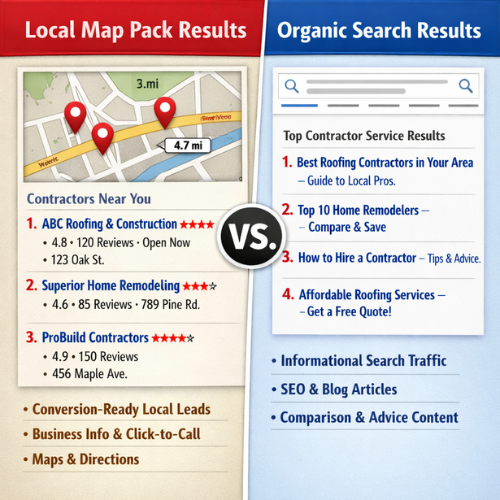
- Urgent trades: Prioritize map pack visibility, reviews, and responsiveness
- Longer-cycle projects: Prioritize trust-building content, proof, and brand clarity
Finally, demand business-impact reporting:
- What leads came from where
- What converted and why
- What the next strategic pivot should be
FAQs
What’s the First Step If I Want How to Get Found Online for Contractors to Actually Translate Into Leads?
Start by auditing your foundation: brand name search results, NAP consistency, claimed profiles, and review quality. If your old website or outdated listings still appear, fix them before paying for more content. Once trust signals are clean, match your marketing to the buyer journey, such as map packs for urgent services and trust-building content for longer-cycle projects.
How Can I Tell If My SEO Agency Is a “Checklist” Provider?
If reporting focuses mostly on deliverables (posts, links, rankings) but rarely connects to leads, conversion paths, or service-level performance, that’s checklist work. A strong partner explains what visitors do after they arrive, which pages influence calls or forms, and how strategy changes quarter to quarter. You should hear clear answers, not just graphs and jargon.
Do I Need Separate AEO or GEO Services to Show Up in AI Answers?
In most cases, no. AI visibility relies heavily on the same fundamentals as good SEO: clear site structure, trustworthy brand signals, consistent business information, and content written in an easy-to-digest format. Be cautious if someone tries to sell AI optimization as a separate, expensive add-on without explaining what’s different, measurable, and tied to outcomes.
What Foundations Matter Most for Local Visibility and Trust?
Consistency and credibility. Make sure your business name, address, and phone number match across the web, your Google Business Profile is accurate, and your reviews reflect real customer experiences. Claim your major profiles to keep your brand controlled and consistent. Also check basic website trust markers, such as mobile usability and up-to-date site details, which influence both humans and search systems.
Ready for a Visibility Plan That Doesn’t Waste Your Budget?
If you’re tired of guessing, the team of experts at Elevation Marketing™ can help you build a visibility strategy that fits your business type, your buyer journey, and your actual growth goals. Instead of selling you a one-size package, the team starts with what Devon and Amanda emphasize in this episode: an honest assessment, a solid foundation, and a plan that ties visibility to leads. When you’re ready, reach out to our team to start the conversation.