
Why Does Speed to Lead Matter for Contractors?
Speed to lead for contractors matters because homeowners often contact multiple companies at once. The contractor who responds first usually has the best chance to book the appointment and win the job.
For many contractors, leads are coming in, but conversions are falling short. The issue is often not lead quality, but timing.
Elevation Marketing™ helps contractors focus on practical ways you can improve response time, capture more opportunities, and stop losing high-intent leads to faster competitors. Let’s dive into one of the most overlooked but critical drivers of contractor lead generation: speed to lead.
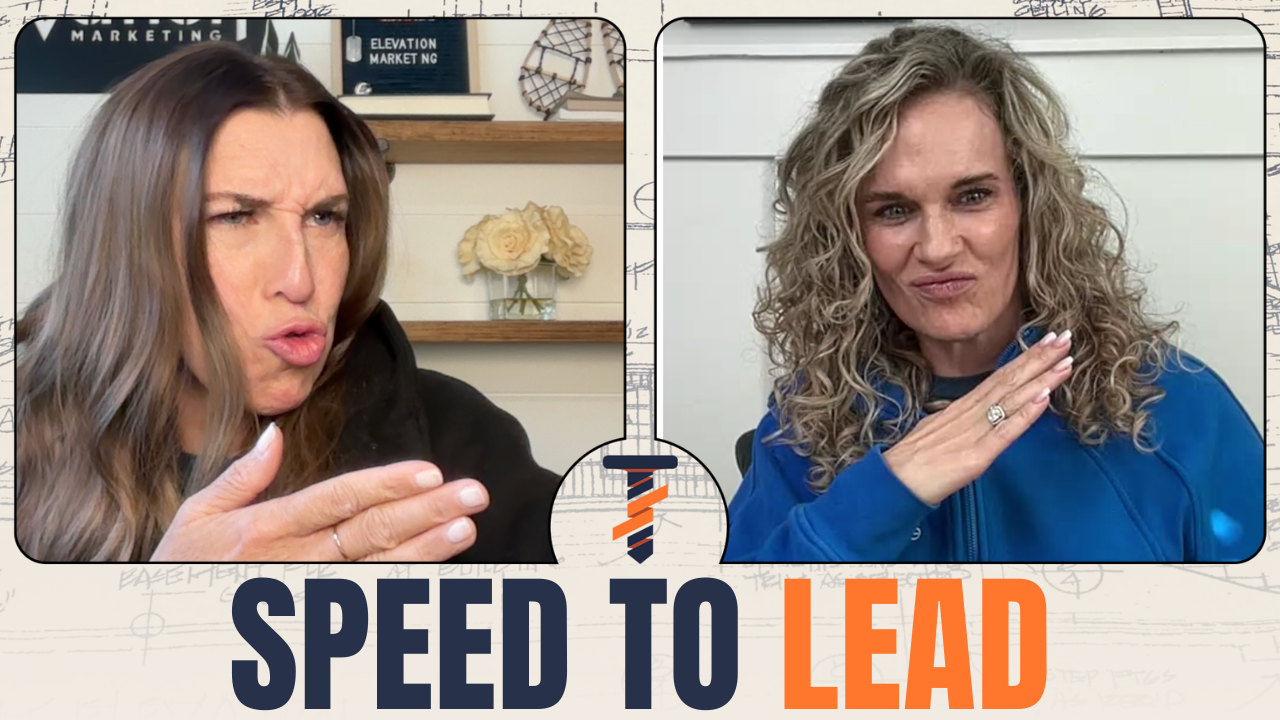
In this episode of Trade Secrets, hosts Amanda Joyce and Devon Hayes break down why response time can be the difference between winning and losing a job, even if you’re actively investing in ads and generating leads.
🎧 Care to listen instead? This post is inspired by our Trade Secrets Podcast Episode on why your faster competitor is stealing your best jobs.
How Can I Convert Leads into Business?
When a homeowner submits a form or makes a call, they are actively looking for help and ready to engage. If that lead isn’t answered quickly, their attention shifts to the next available option. Marketing consulting can help contractors identify slow follow-up gaps and build systems that respond faster to new leads.
Leads are seven times less likely to pan out if they’re contacted more than an hour after they submit. Speed to lead for contractors matters because the first contractor to respond often has the highest chance of winning the job.
Speed signals professionalism and reliability. When a contractor responds quickly, it shows the homeowner that their request matters and that the company is organized. This builds trust early in the process, which can make the difference between being considered and being passed over.
What Happens If I Don’t Answer Leads Quickly?
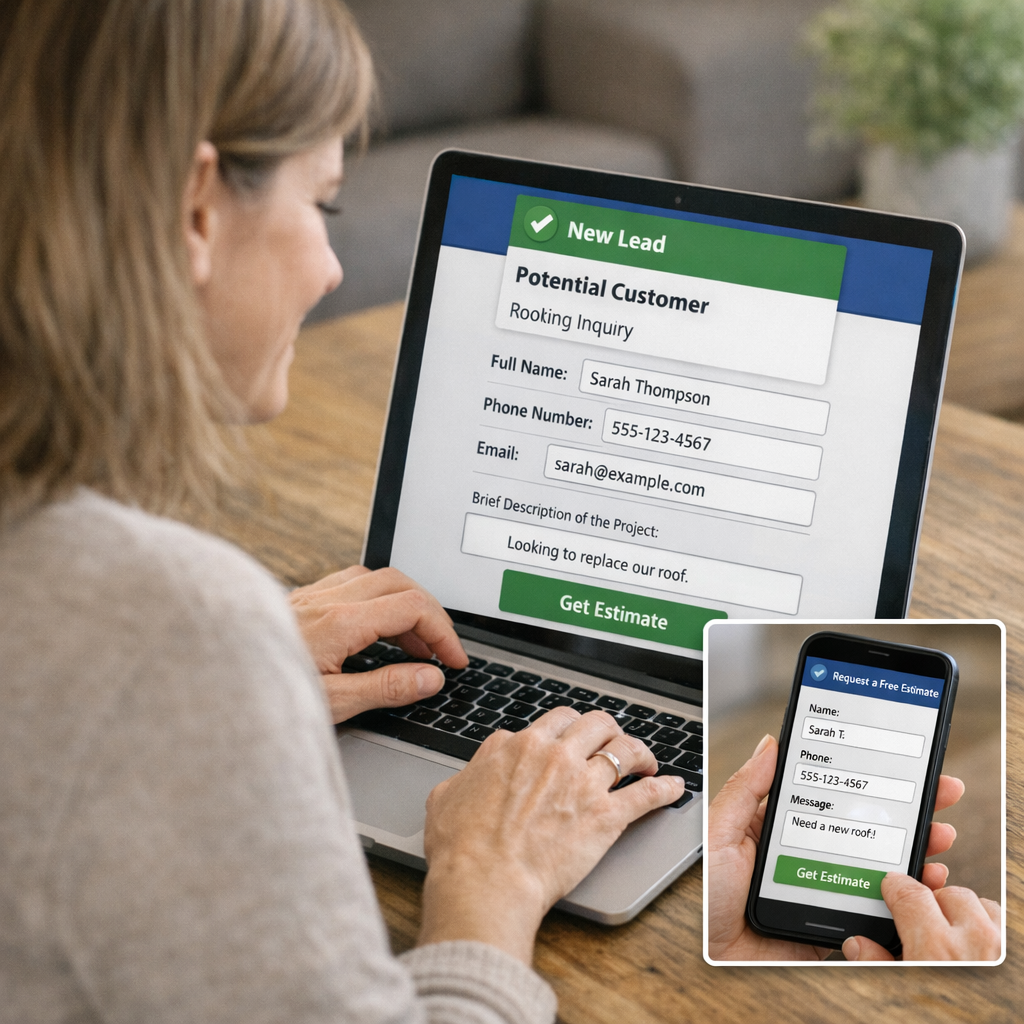
When leads are not answered quickly, they won’t wait. Many contractors underestimate how fast today’s buyers move. Homeowners who submit a form or call are typically reaching out to multiple contractors at the same time, comparing who responds first and who seems most engaged. The faster response is more likely to book the appointment
A delay of even 30 to 45 minutes can mean the homeowner has already spoken with competitors and may have booked consultations. If a contractor is slow to follow up, the lead has often already made progress with another company.
Slow response times can create a negative first impression. If a homeowner feels ignored or overlooked, they may assume the same level of service will carry into the project itself. In a competitive market, that perception alone can be enough to lose the job.
What Do Homeowners Want When Searching for Contractors?
Homeowners are usually trying to solve a problem fast, compare options, and find someone they trust before committing to a conversation. Their behavior is shaped by urgency, convenience, and access to information. Most will not wait long for a callback, especially if another contractor responds sooner.
- Common patterns in homeowner behavior include:
- Calling: reaching out to multiple contractors at the same time
- Comparing: looking at reviews, pricing signals, and responsiveness
- Contacting: filling out more than one form to gather options
- Choosing: the first contractor that responds clearly and quickly has an advantage
Homeowners expect fast communication in a professional experience, so speed and responsiveness play a major role in who gets the job. Contractors who respond first are the ones who stay top of mind and progress in the decision-making process.
What Can Improve Speed to Lead for Contractors?
Speed to lead for contractors is improved by using tools that automate and streamline how quickly leads are handled. Instead of relying on a manual process, these systems ensure that new inquiries trigger immediate notifications and actions.
Automation platforms and call-routing tools can connect website forms directly to phone calls, texts, or alerts. This allows a lead to be followed up with in real time, often within seconds of submission, instead of waiting for someone to check an inbox.
Common ways these tools improve response time include:
- Automating: calling or notifying team members when a lead comes in
- Integrating: connect website forms with communication tools through platforms like Zapier or webhooks
- Reducing delays: remove inbox monitoring or administrative handoffs
- Availability: routing leads to available sales staff without manual assignment
- Instant Responses: sending alerts via SMS, email, or CRM systems
When these systems are in place, contractors can respond while the lead is still engaged, which significantly increases the chances of booking the job.

What Is the Cost of Silence in Lead Generation?
The “cost of silence” is the money contractors lose when incoming leads are not answered quickly or consistently. Even if marketing is generating leads successfully, slow response times can cause a large portion of those opportunities to go unused.
If a contractor receives 10 leads per month at $200 per lead, that’s $2,000 spent on lead generation. If only half of those leads are answered, that’s $1,000 in wasted marketing spend before a sales conversation even begins.
When leads go unanswered, contractors are not just losing calls. They are losing potential projects, long-term customers, and future referrals. The impact of silence compounds quickly, making response time just as important as lead generation itself. Having the right agency on your side can help contractors respond to leads and prevent lost revenue from missed job opportunities.
FAQs About Speed to Lead
How fast should contractors respond to new leads?
Ideally, within one to three minutes. The faster a contractor responds, the more likely they are to reach the homeowner before competitors and secure the opportunity.
Why do contractors lose leads even with strong marketing?
Leads are often lost due to slow or inconsistent follow-up. Marketing can generate interest, but response time determines whether that interest turns into a real conversation.
Do automated systems improve conversion rates?
Yes. Tools that trigger instant calls, alerts, or notifications help ensure leads are contacted quickly, which increases the chances of booking appointments.
Should admins or salespeople handle first contact?
It depends on the business structure, but many contractors see better results when sales-focused team members handle initial contact since they are trained to qualify and close leads.
What is the biggest mistake contractors make with lead follow-up?
The most common mistake is relying on delayed or manual processes. Waiting too long to respond or routing leads through slow workflows often results in missed opportunities.
Ready to Convert Leads Faster than Your Competitors?
If you’re investing in marketing but not responding to leads quickly, you’re likely losing jobs to competitors who act faster. Speed to lead is not just a small improvement for contractors; it directly impacts how many of your leads turn into booked appointments and paying customers.
With the right processes, tools, and team alignment, contractors can capture more opportunities and make the most of the leads they’re already paying for.
If you’re ready to tighten your follow-up process and improve your conversion rates, let’s chat and see how the team at Elevation Marketing™ can help you turn faster responses into more closed jobs.